Discover the Right Gwinnett County criminal defense attorney for Experienced Defense
Discover the Right Gwinnett County criminal defense attorney for Experienced Defense
Blog Article
Experienced Defense Criminal Counsel: Upholding Your Rights
A dedicated defense lawyer plays an essential role in the justice system. They navigate intricate procedures and protect individual rights amid difficult situations. Their expertise enables for a thorough examination of proof and the development of focused legal approaches. However, grasping the complete effect of their efforts demands a deeper examination at the connection between the lawyer and the defendant, as well as the strategies utilized. The consequences of this collaboration can be profound.
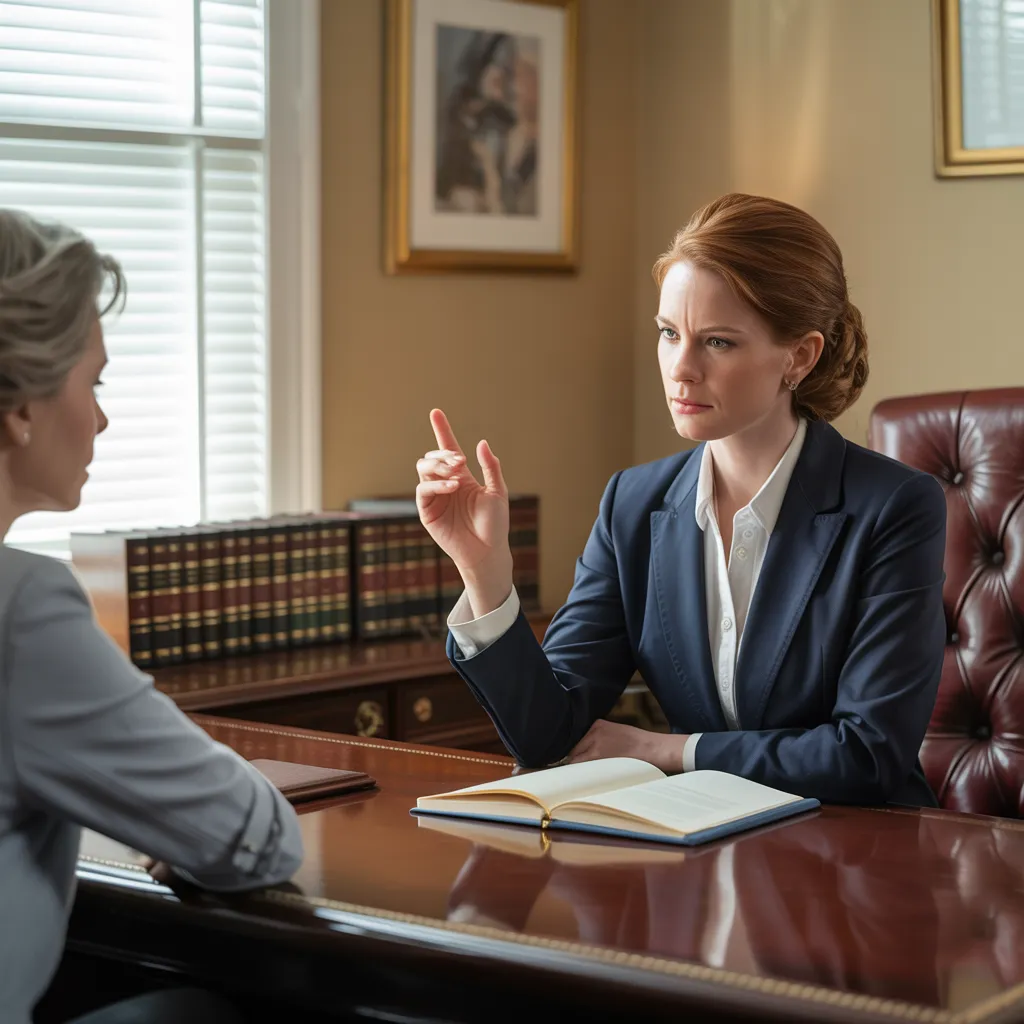
Why You Should Hire a Criminal Lawyer When Handling Charges
Managing criminal charges can be an taxing challenge, and having a dedicated criminal defense attorney is necessary. These professionals possess the competence to navigate the complex legal system, warranting that accused individuals receive the best possible representation. They know the nuances of criminal matters and are adept at identifying potential defenses that may not be apparent to those without legal knowledge.
Additionally, a criminal defense attorney can evaluate the proof against the accused, challenge whether it's allowable, and negotiate plea deals when warranted. Their presence can greatly influence the result of a case, possibly lowering sentences or even securing not guilty verdicts.
Additionally, securing an attorney extends mental assistance during a difficult period, allowing individuals to devote attention to their lives while confident their rights are protected. To conclude, a committed criminal defense attorney is not just a resource; they are a vital component in shielding one's future when facing legal challenges.
The Value of Strong Client-Attorney Communication
How vital is clear dialogue between a client and their attorney in a criminal case? This interaction is core to the defense mechanism. A clear line of communication assures that the attorney completely comprehends the individual's circumstances, preoccupations, and intentions. Individuals must supply truthful information about their situation, while legal representatives must relay feasible alternatives and potential outcomes in an accessible manner.
Moreover, open dialogue strengthens trust, allowing clients to feel secure sharing sensitive information. This trust is critical, as it permits attorneys to develop a solid legal approach adapted to the client's specific needs. Regular communication on case progress and court dates also maintain clients well-informed and involved in their defense.
Ultimately, strong dialogue not only strengthens the attorney-client connection but also greatly impacts the overall outcome of the defense. The significance of this dynamic cannot be overemphasized, as it functions as the foundation for navigating the complexities of the legal system.
Proven Defense Approaches for Criminal Cases
Formulating a effective defense strategy in criminal actions entails a thorough understanding of both the legal context and the elements of each case. Defense attorneys often begin by analyzing the evidence against the defendant, scrutinizing police reports, witness statements, and forensic data. This critical assessment allows them to recognize inconsistencies or weaknesses in the prosecution's case.
Additionally, lawyers may employ various defense tactics, such as proving alibis, questioning the lawfulness of evidence collected in arrests, or raising affirmative defenses like self-defense. Consultation with expert witnesses can further bolster the defense by providing expert insights that counter the prosecution's claims.
Moreover, comprehending the potential biases of jurors and the trial environment can assist in developing convincing arguments. Ultimately, a well-rounded defense strategy combines thorough preparation, tactical reasoning, and a comprehensive comprehension of the law, guaranteeing that the defendant's rights are vigorously protected over the course of the judicial proceedings.
Picking the Perfect Defense Counsel
Selecting the right criminal lawyer can greatly impact the result of a case. A qualified attorney should possess pertinent expertise, particularly in handling cases similar to the one at hand. Prospective clients are encouraged to evaluate credentials, including education and past case outcomes, to measure competency.
Furthermore, personal rapport is important; an attorney must communicate clearly and understand the client's concerns. During client meetings, individuals should evaluate the attorney's strategy to case strategy.
In addition, examining the attorney's name within the legal sector can offer insights into their reliability and professional standards. Clients should discuss about fees at the start, ensuring transparency with respect to costs and payment structures.
Ultimately, choosing the appropriate criminal defense attorney requires thorough research, open communication, and trust, establishing the groundwork for a robust defense strategy tailored to the unique circumstances of the case.
What to Look For During Your Court Defense
What might individuals expect during their legal journey? The experience generally initiates with an first session, where the legal counsel gathers necessary details about the case. Moving forward, individuals should expect frequent updates regarding the development of their legal case. This could include updates on court dates, negotiation discussions, and potential trial strategies.
Clients will also participate in discussions about evidence and witness statements, assisting in forming the defense's approach. take action Additionally, they will likely engage in preparation sessions, which may include mock trials or examining testimony.
As the legal case develops, individuals must be prepared for psychological ups and downs, given the intricacies of the justice system. Throughout this process, a dedicated lawyer seeks to provide support, guaranteeing that clients comprehend their rights and responsibilities. Ultimately, individuals can expect a collaborative experience, where their lawyer works carefully to safeguard their interests at every stage of the defense.
Understanding How a Strong Defense Determines Outcomes
A strong defense can markedly influence the results of a criminal prosecution. By utilizing efficient investigative techniques, attorneys can identify flaws in the prosecution's case. Furthermore, a robust defense often leads to favorable negotiation prospects, possibly reducing sentences or accusations.
Analyzing Evidence Tactics
Strong evidentiary assessment tactics are vital in affecting the conclusions of criminal defense cases. A committed defense attorney carefully reviews every detail of evidence, spotting gaps and shortcomings in the state's case. This detailed investigation may bring to light evidence that supports innocence or violations of procedure that could lead to case being dismissed or lower charges. By applying approaches like forensic science analysis, speaking with witnesses, and professional expert opinions, defense lawyers can dispute the validity of the evidence offered. Moreover, pointed questioning tactics during cross-examination sessions can instill doubt in jurors' minds. In the end, a strong evidence strategy bolsters the defense and substantially affects the course of the case, often generating superior results for the person charged.
Plea Bargaining Pros
In the criminal justice system, plea bargaining functions as a pivotal element, often shaped by the quality of the defense. A well-prepared defense attorney can greatly affect plea negotiations by utilizing their knowledge of the law and case specifics to secure favorable outcomes. Through presenting strong arguments and evidence, a strong defense can convince prosecutors to offer mitigated charges or lighter sentences. Furthermore, seasoned attorneys can identify gaps in the prosecution's case, further enhancing their negotiating position. This strategic benefit not only allows for a quicker resolution but also minimizes the uncertainty inherent in a trial. Ultimately, effective plea bargaining can result in more favorable outcomes for defendants, underscoring the critical function of a dedicated criminal defense attorney in protecting their rights.
Often Asked Questions
What Expenses Should You Expect When Hiring a Criminal Defense Lawyer?
Engaging a criminal defense lawyer generally runs between $2,000 and $10,000, contingent on the case complexity and location. Some lawyers may charge hourly fees, while others might offer flat fees or retainers.
What Skills Should I Look for in a Defense Lawyer?
When identifying a defense representative, individuals should evaluate qualifications such as relevant experience, a successful history in similar cases, understanding of legislation, communication skills, and positive client reviews to guarantee adequate legal support.
Can I Replace My Legal Advisor During the Case?
Certainly, a party can change their attorney during a case. However, it may impact the case's timeline and progress. It's vital to consider the reasons for the change and contact potential new lawyers.
How Can I Move Forward if I Don't Have Sufficient Resources For an Attorney?
If you cannot afford an attorney, people should consider options like government-provided lawyers, legal aid organizations, or complimentary legal work. Exploring local assistance options can deliver necessary legal help without incurring significant costs.
How Long Will My Criminal Matter Take to Resolve?
A criminal matter's duration varies widely, typically ranging from a few months to several years, relying on factors like complexity, court schedules, and plea negotiations, ultimately impacting the timeline for resolution.
Report this page